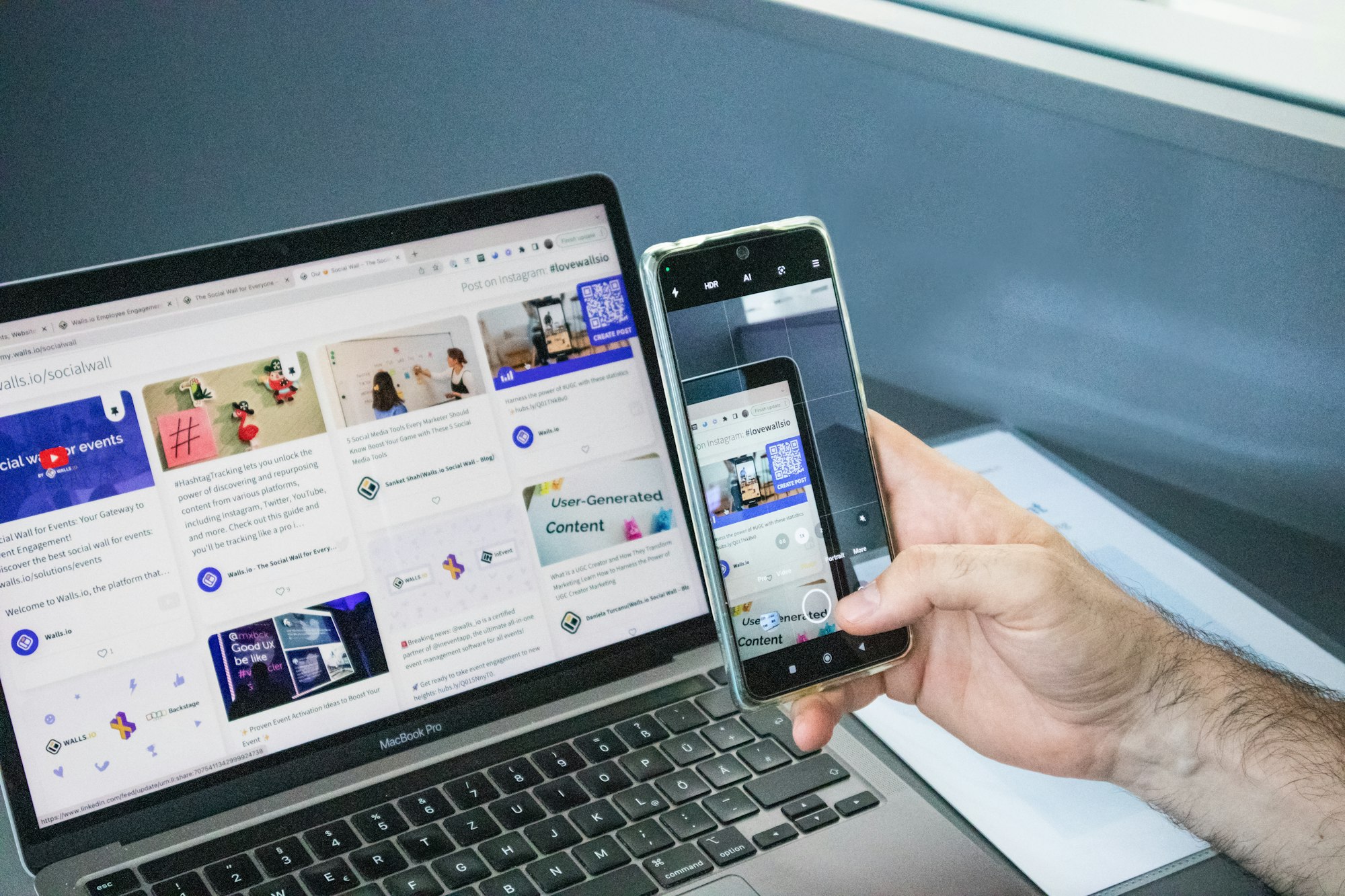
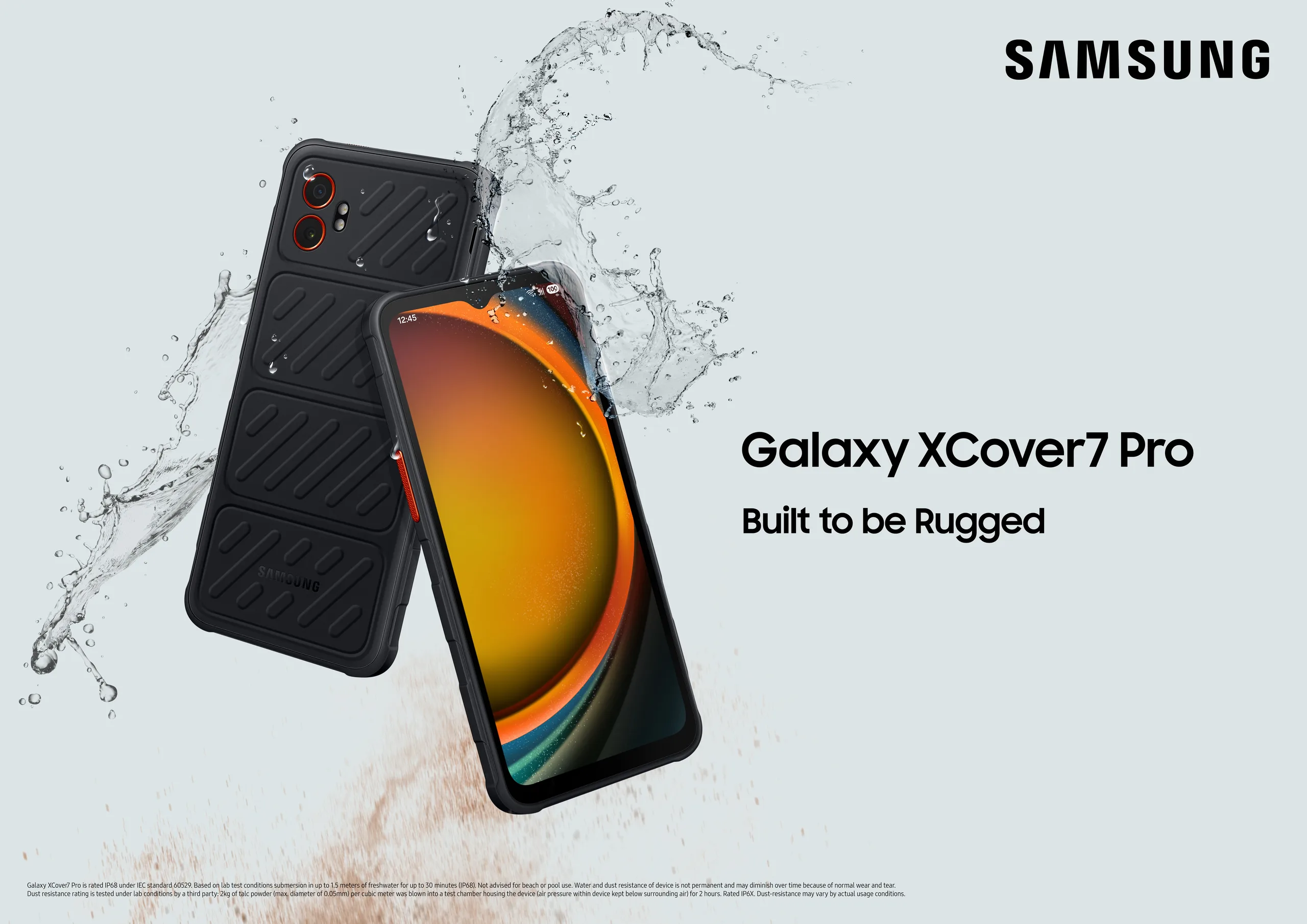
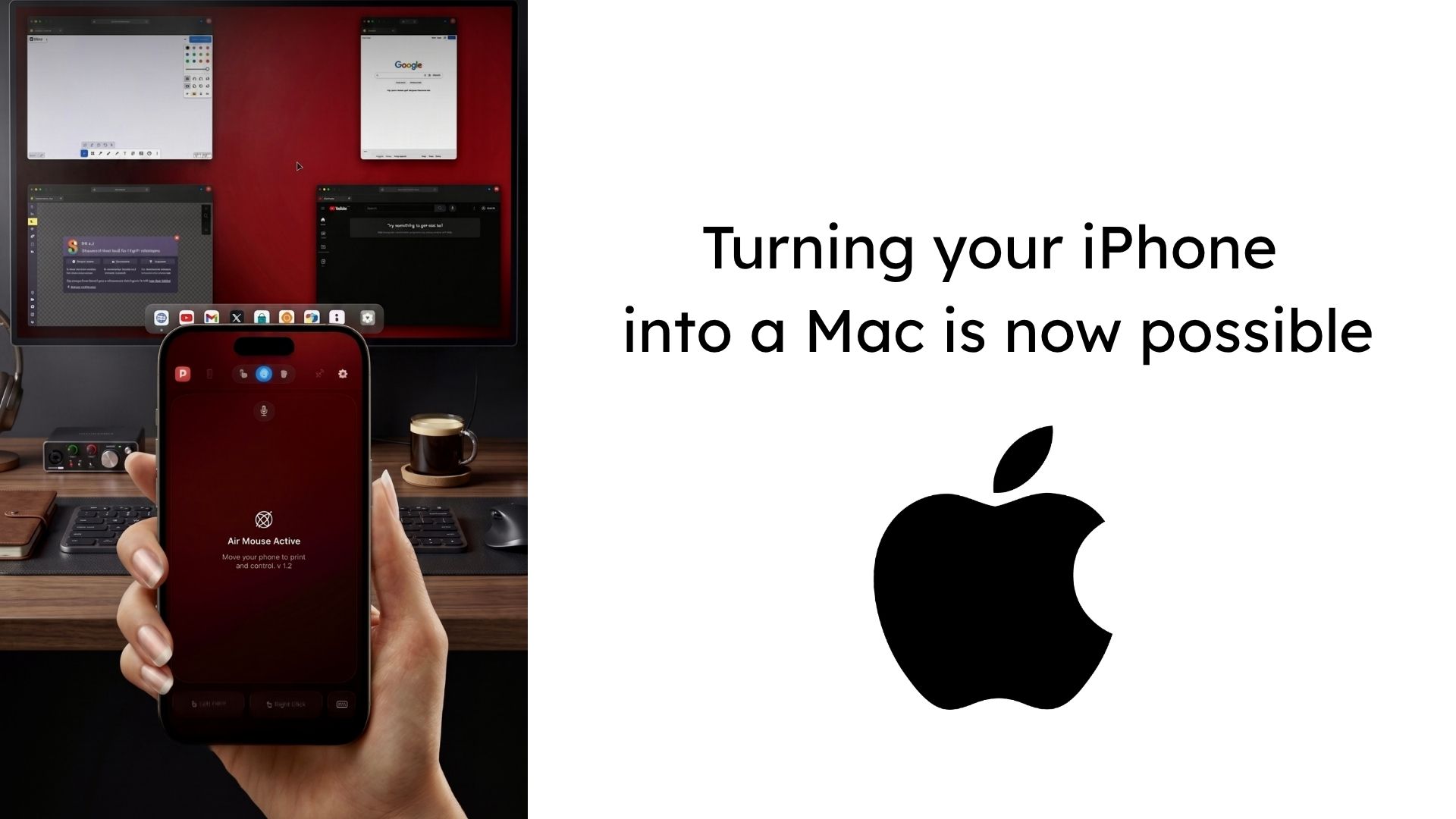
If you’ve been curious about running a Samsung DeX lapdock setup but aren’t sure what you’re getting into, this is the guide I wish I’d had when I started. I’ve been using DeX with a lapdock as my primary computing setup for years — not as an experiment, not to prove a point, but because it’s genuinely the most efficient way I’ve found to work. I want to share what I’ve actually learned, not the marketing version.
What Is a Samsung DeX Lapdock?
A Samsung DeX lapdock is a laptop-shaped device with no processor of its own. It has a screen, keyboard, trackpad, and usually a built-in battery — but it can’t do anything on its own. Connect your Galaxy phone via USB-C and it borrows the phone’s processor, memory, and storage to run a full desktop environment. Samsung DeX launches automatically. You have a working laptop in about five seconds.
The key distinction from a normal laptop: you’re not buying a second computer. The Galaxy phone you already carry is the computer. The lapdock is just the shell that gives it a keyboard and a bigger screen. When the session ends, you unplug the phone and it goes back in your pocket. One device, two form factors.
This is why the Samsung DeX lapdock combination is compelling in a way that a separate laptop never quite is. There’s no file sync, no second device to update, no license for a second OS. Your phone IS the PC.
The Setup in Practice — Step by Step
Setting up a Samsung DeX lapdock session is straightforward once you know what matters. Here’s the sequence that actually works:
Step 1: Confirm your phone supports DeX
Not every Samsung Galaxy phone supports DeX. Generally, any Galaxy S-series from the S8 onwards, Z Fold from Fold 3 onwards, and select Galaxy Tab S models support full DeX. The Galaxy S25 series (2026) is the current sweet spot — Snapdragon 8 Elite, full DeX support, and the processing headroom to run demanding sessions comfortably. My full breakdown of which phones support what is in my guide to Android Desktop Mode: Every Phone That Supports It in 2026.
Step 2: Use a lapdock that actually triggers DeX
This is where most people get burned. Not all lapdocks are equal. A lapdock triggers Samsung DeX by supporting DisplayPort Alt Mode over USB-C — but some lapdocks handle the handshake poorly, resulting in a phone that charges without launching DeX, or a display that mirrors instead of entering desktop mode. The lapdock collection at mobile-only.com is curated specifically for Samsung DeX compatibility, which matters far more than specs on paper.
Step 3: Use the right cable
If your lapdock uses a separate USB-C cable rather than a built-in connection, the cable is not trivial. Most generic USB-C cables are charge-only or USB 2.0. They will not carry a DisplayPort signal. You need a cable that explicitly supports USB 3.1 Gen 1 or better, or one rated for DisplayPort Alt Mode. I’ve seen more failed DeX sessions caused by the cable than by any other component.
Step 4: Let DeX launch automatically
On any Galaxy S10 or newer, DeX launches automatically when a compatible lapdock is connected — no manual activation needed. On the S8 and S9 generation, you may need to tap the DeX notification that appears on the phone screen. Either way, once DeX is running, the lapdock’s keyboard and trackpad take full control and the phone screen can act as an additional touchpad or media controller.
What Nobody Tells You Before You Buy
A few things I only learned after using this setup daily:
Power delivery matters as much as video output. A good Samsung DeX lapdock passes power back to the phone while the session runs. A bad one drains your phone. If the lapdock doesn’t include USB-C Power Delivery passthrough, your phone battery will deplete during a long session. Check this spec before buying — most decent lapdocks include it, but some budget options skip it.
The phone screen stays active. During a DeX lapdock session, your phone screen isn’t locked away. You can use it as a second display, a media remote, or just ignore it. I typically keep Spotify or a timer running on the phone screen while DeX handles the main work on the lapdock display.
Wireless DeX is not the lapdock experience. Wireless DeX (available from the Galaxy S21 onwards on compatible Samsung TVs) is genuinely useful, but it’s a different setup. The Samsung DeX lapdock is a wired USB-C connection — which means zero lag, no Wi-Fi dependency, and the lapdock’s battery supplementing the phone. Don’t conflate the two when reading reviews.
App behaviour in DeX can surprise you. Most major apps (Chrome, Gmail, Slack, Notion, Google Docs) resize cleanly into windows in DeX. Some don’t. If there’s a specific app critical to your workflow, test it in DeX before committing to the setup. Most surprises are positive — apps often work better than you’d expect — but it’s worth checking.
Which Samsung DeX Lapdock Should You Use?
I won’t name one specific model here because the market shifts and what’s stocked changes. What I will say is that the right Samsung DeX lapdock for most people has:
- A 13 to 15-inch FHD display (1080p minimum — anything less is a step backwards from most phone screens)
- USB-C Power Delivery passthrough of at least 45W
- A keyboard with a proper layout, not a cramped chiclet
- Built-in battery of at least 10,000mAh for real cordless sessions
- Confirmed Samsung DeX compatibility listed by the seller
Everything currently available that meets those criteria is on the lapdock collection at mobile-only.com. If you prefer a desk setup over a portable one, there are also dedicated Samsung DeX docks at mobile-only.com — same principle, but you connect to a separate monitor instead of a lapdock screen.
For a full model-by-model comparison, I’ve covered the specifics in my Best Lapdock for Samsung DeX in 2026 guide — it goes deeper on which hardware earns a recommendation and why.
My Daily DeX Lapdock Workflow in 2026
For context: I run a content and strategy operation from a mobile-only setup. My phone is a Galaxy S25 Ultra. My lapdock goes everywhere I go.
A typical morning: phone plugged into lapdock, DeX launches, Chrome with six tabs on the left half of the screen, Notion on the right. Slack in the background. A Google Meet call at 9:30 that I join directly from DeX — camera from the phone, audio from a Bluetooth headset. After the call I unplug, phone back in pocket, out the door.
The transitions are the part that surprised me most. Unplugging is instant. No syncing, no “saving state,” no waiting. The phone picks up wherever DeX left off, apps still running in the background. It takes longer to close a laptop lid than to disconnect from a lapdock.
According to Samsung’s official DeX page, the platform is designed around exactly this kind of fluid transition between mobile and desktop contexts — and in practice, after years of daily use, it works exactly as advertised.
If you’re still on the fence about whether the Samsung DeX lapdock setup is for you: try it for one week. Don’t think of it as replacing your laptop. Think of it as giving your phone a bigger screen and a keyboard. At the end of the week, you’ll know whether you want to go further.
The barrier to getting started is lower than you think. The setup is simpler than it sounds. And the productivity gain, once it clicks, is real.
Take care,
Yanis@MiraLab